

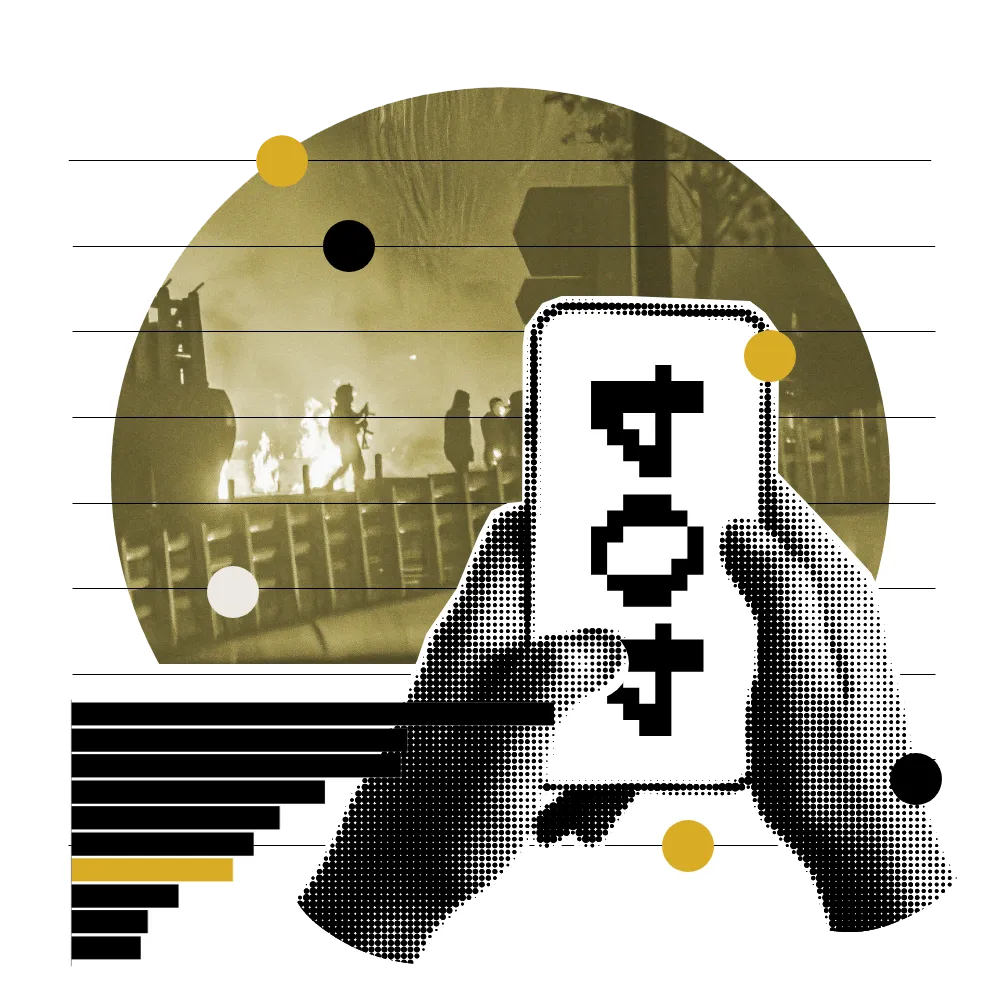
Iran internet shutdown was imposed amid widespread protests that escalated across the country in late 2025 and early 2026. Authorities sharply restricted access to mobile networks and the global internet as demonstrations challenged the country’s political leadership. The move disrupted communication for millions of people.
Background to the protests
Protests began in late December with demonstrations over economic conditions, inflation, and unemployment. Crowds gathered in major cities including Tehran, Isfahan, Shiraz, and Mashhad. As rallies continued, slogans expanded beyond economic grievances to direct criticism of the clerical leadership. Demonstrations spread despite arrests and security deployments.
Scope of the communications blackout
Connectivity monitoring groups reported a dramatic drop in internet traffic nationwide. Mobile data services were cut in many regions, and fixed broadband access was heavily restricted. Messaging apps, social media platforms, and international news sites became largely inaccessible. Some areas experienced near total blackouts lasting several days.
Government justification and enforcement
Officials described the shutdown as a security measure intended to prevent unrest and foreign interference. Security forces increased their presence in protest areas. State media continued broadcasting while independent reporting became difficult. Authorities also restricted satellite signals and monitored alternative communication methods.
Impact on information and reporting
The blackout limited the ability of protesters to organize and share information. Families struggled to contact relatives. Journalists and human rights organizations faced difficulty verifying events on the ground. International coverage relied on limited footage and accounts that managed to reach outside Iran through indirect channels.
Human rights concerns
Rights groups said the shutdown concealed the scale of arrests and injuries. Organizations including Amnesty International stated that cutting communications during unrest violates the right to information. They warned that internet restrictions make it harder to document excessive force and detentions.
International response
Foreign governments and advocacy groups criticized the restrictions and called for restored access. Statements from Western officials urged restraint and transparency. Technology monitoring organizations continued to track connectivity disruptions and publish updates.
Continuation of unrest
Despite the blackout, protests persisted in several regions. Authorities organized pro government rallies in response. The communications restrictions remained in place as tensions continued.
The internet shutdown became a central tool used by authorities during the unrest. By limiting communication and visibility, the blackout shaped how events unfolded inside the country and how they were understood abroad.
Source: https://foreignpolicy.com/2026/01/13/iran-internet-shutdown-blackout-ayatollah-protests/