

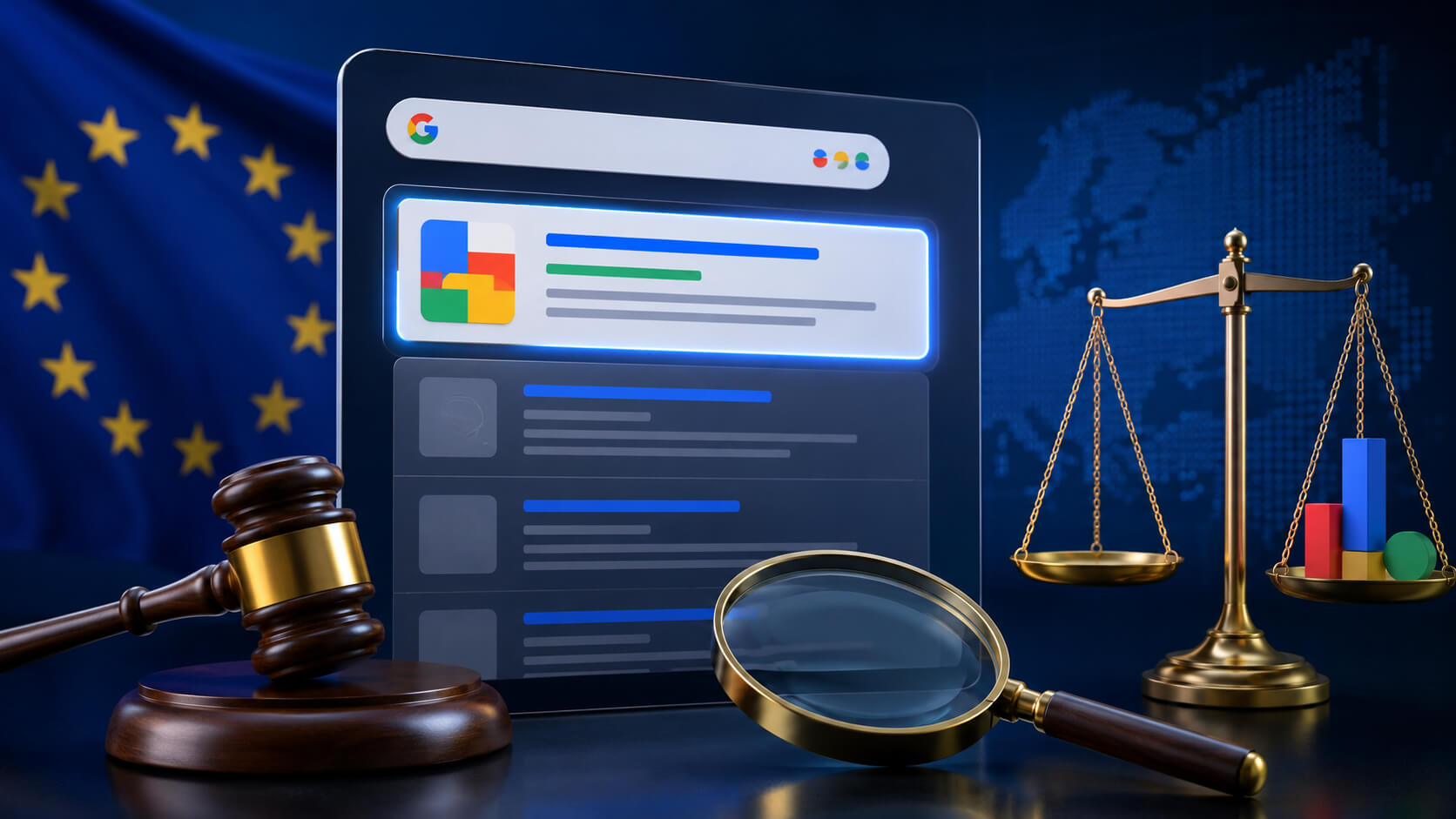
Google’s search results could be heading toward another major shake-up in Europe.
According to reports, the European Commission is expected to conclude that Google breached the Digital Markets Act (DMA) by giving preferential treatment to its own specialized services inside Google Search. The decision may sound like another regulatory headline, but it has the potential to change how millions of Europeans discover shopping sites, travel platforms, comparison services, and even local businesses online.
Why the EU Is Looking at Google Search Again
This is not Google’s first clash with European regulators, but the legal framework has changed.
Instead of relying solely on lengthy antitrust investigations, the Digital Markets Act gives the European Commission new powers to prevent so-called “gatekeepers” from using their dominant platforms to disadvantage competitors. Google falls into that category because of the enormous influence Google Search has over how people find information online.
The latest case focuses on whether Google consistently pushed its own comparison shopping, travel, and other specialized products higher in search results than competing services. Regulators reportedly believe that behavior limits fair competition by steering users toward Google’s ecosystem rather than allowing rival platforms equal visibility.
What Could Change in Google Search
If the ruling stands, Google may have to redesign parts of its search experience across the European Union.
That is where things become interesting for SEO professionals.
For years, Google has blended maps, flights, hotels, shopping listings, reviews, and other proprietary features directly into search results. Those features often occupy the most valuable screen space before users even reach traditional organic listings.
A regulatory order could require Google to adjust how those services appear or how competing comparison platforms are presented. Shopping sites, travel aggregators, hotel comparison engines, and price comparison businesses are among those watching the case closely because even small layout changes can dramatically affect traffic.
The Decision Is About More Than Shopping
Although shopping comparisons receive much of the attention, the broader issue is platform neutrality.
The European Commission wants companies designated as gatekeepers to avoid using their control over one service to give another service an unfair advantage. That principle extends beyond shopping and could influence travel search, maps, AI-powered search experiences, and other Google products over time.
It also fits into a wider regulatory push already affecting Google. European authorities have recently issued binding guidance requiring Google to open Android and certain Search capabilities to competing AI assistants and search providers under the DMA, showing that enforcement is moving well beyond financial penalties.
SEO Professionals Should Pay Attention
For website owners, this is not simply another legal story coming out of Brussels.
Search result layouts influence clicks. Clicks influence traffic. Traffic influences revenue.
If Google is required to reduce preferential placement of its own services, some independent comparison websites could regain visibility for highly competitive commercial queries. On the other hand, businesses that currently depend heavily on Google’s integrated shopping or travel experiences may need to rethink their search strategies.
Nobody should expect overnight changes, though. Any required updates would likely take time to implement and could face further legal challenges before becoming permanent.
A Defining Moment for Digital Competition
The Digital Markets Act was designed to make digital markets more competitive without waiting years for traditional antitrust cases to conclude.
The expected ruling against Google could become one of its biggest tests so far.
Whether the decision ultimately reshapes Google’s search experience remains to be seen, but one thing is already clear: regulators are no longer focusing only on market share. They are increasingly scrutinizing how search results are designed, how visibility is distributed, and whether dominant platforms can continue giving themselves the best positions on the page. That debate is likely to influence SEO, digital marketing, and online publishing well beyond Europe.
Sources
Search Engine Land – EU expected to rule Google favored its own services in Search
Financial Times – Brussels prepares fresh Google fines as Big Tech enforcement increases
European Commission – Digital Markets Act guidance for Google Search and Android